
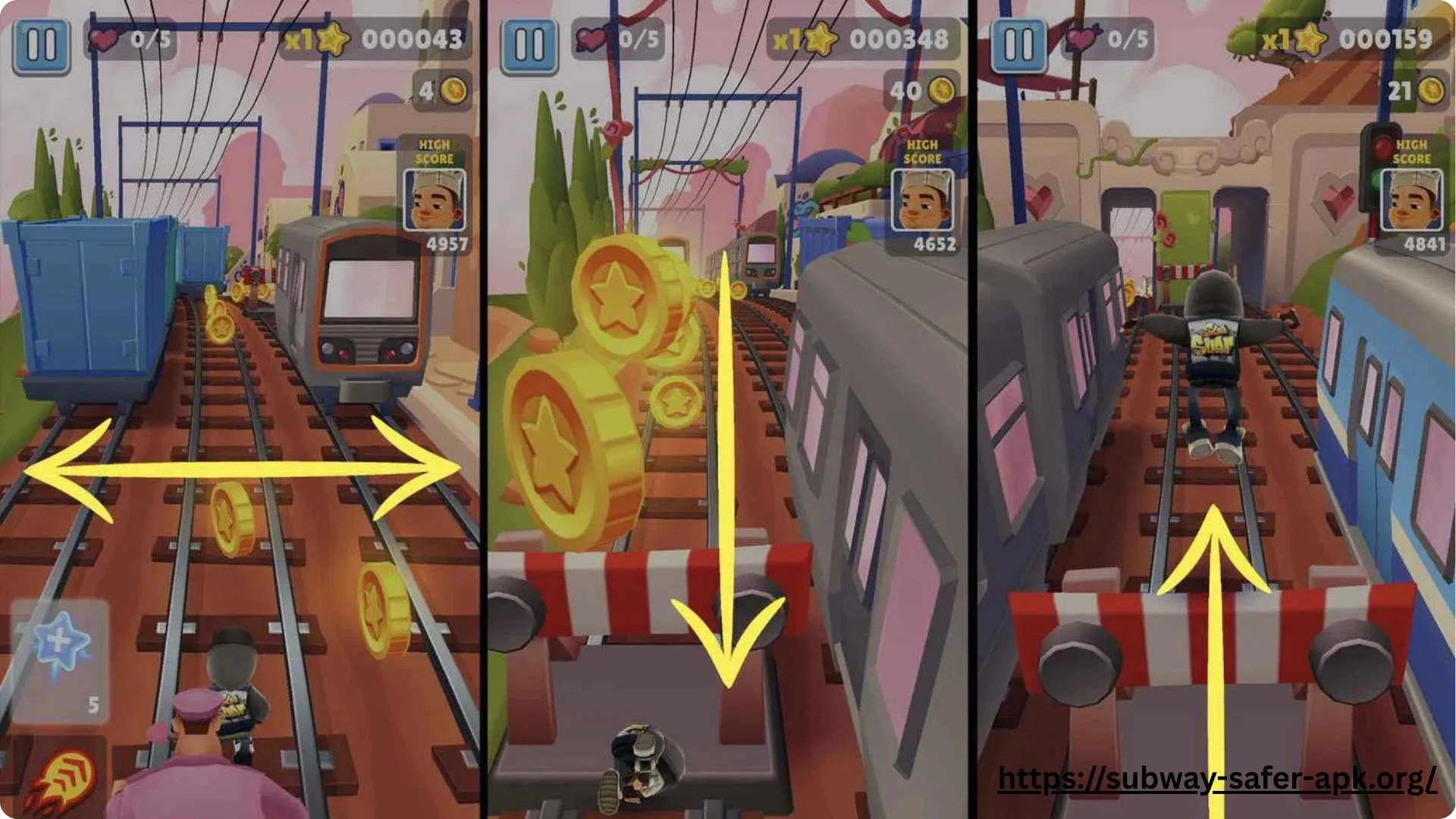
Subway Surfers World Tour Cities
Subway Surfers World Tour is the game’s way of taking players to different destinations through changing locations, themes, and seasonal content. Instead of keeping the runner on one permanent map, the World Tour regularly introduces new settings inspired by cities, countries, cultures, and special destinations around the world.
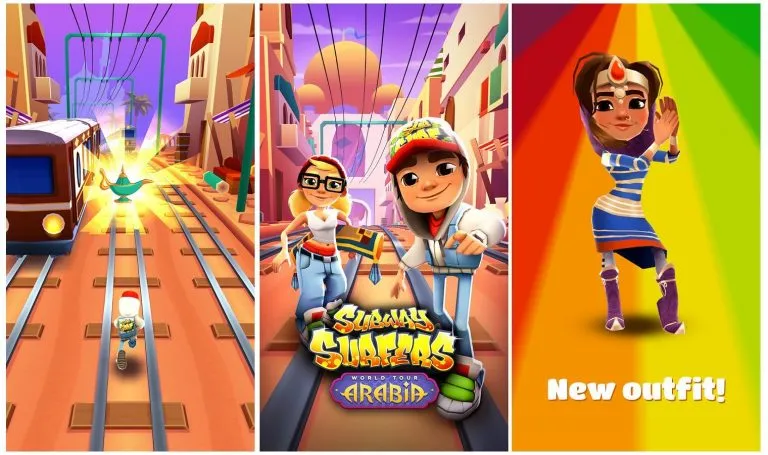
Each location can bring its own visual atmosphere and may be connected with characters, Hoverboards, collectibles, missions, or other limited time content. Some destinations are based on real cities, while others are themed or fictional locations created for the game.
Because the World Tour changes over time and previous destinations can return, there is no single permanent list that represents every current and historical location in exactly the same way. A city that appeared in an earlier edition may return later with updated content, making the World Tour an evolving part of Subway Surfers.
How the Subway Surfers World Tour Works
The Subway Surfers World Tour rotates the game’s setting through different destinations and themed editions instead of keeping one location permanently active. Each edition gives the endless runner a different visual environment while allowing the core running mechanics to remain familiar.
A World Tour edition can be associated with a particular city, country, seasonal theme, or special destination. Alongside the location itself, an edition may feature related characters, Hoverboards, collectibles, missions, and other limited time content. This makes each destination more than just a visual map change.
The World Tour also allows previous destinations to return. A returning city may appear as a re released edition rather than being treated as a completely new destination. Because editions rotate and new content is added over time, the World Tour should be viewed as an ongoing cycle of locations rather than a journey toward a final city.
For players, this means the current World Tour destination can change while previously visited locations remain part of the game’s broader history. The rotating structure keeps the game fresh without changing its basic endless-runner format.
World Tour City and Edition Archive

The World Tour archive covers a long history of destinations and themed editions, with locations changing over time and some returning in later editions. Because the archive includes both real world destinations and specially themed locations, it is more useful to group them by representative editions than to treat the list as a permanent sequence of cities.
| World Tour Location or Edition | Type | Archive Context |
|---|---|---|
| London | Real world city | One of the recurring international World Tour destinations |
| New York | Real world city | Major destination featured in the World Tour |
| Paris | Real world city | European destination with its own World Tour setting |
| Tokyo | Real world city | Japanese destination that has appeared in World Tour editions |
| Rome | Real world city | Italian destination featured through the World Tour |
| Sydney | Real world city | Australian destination used for a World Tour setting |
| Rio de Janeiro | Real world city | Brazilian destination associated with World Tour content |
| Mexico City | Real world city | Mexican destination featured in the World Tour |
| Mumbai | Real world city | Indian destination represented through World Tour content |
| Hollywood | Themed destination | Entertainment focused setting rather than a conventional city tour |
| Super Runner City | Special/themed destination | A game themed location rather than a straightforward real world city |
| Winter Xtreme | Seasonal edition | Winter focused edition with a seasonal setting |
The archive should not be interpreted as a simple chronological list in which every destination is visited only once. Re releases and returning editions are part of the World Tour system, so a familiar location can appear again after previously being featured. The archive also contains themed and seasonal editions that do not fit neatly into a normal city category.
For this reason, older “complete city lists” can become outdated as new editions are introduced or existing destinations return. The most useful way to understand the archive is as a record of the locations and themes Subway Surfers has used over time, rather than as a fixed list of places that must be completed.
Regional Themes and Landmark Design

Each Subway Surfers World Tour destination is designed to give the runner a visual identity connected to its location or theme. Instead of simply changing the background, an edition can use landmarks, architecture, colors, street details, vehicles, decorations, and cultural references to make the setting feel different from previous destinations.
Real-world cities may feature recognizable landmarks or design elements associated with the destination, while themed editions can use fictional environments or broader concepts rather than representing one specific place. This allows the World Tour to include both realistic locations and creative settings without changing the core endless runner mechanics.
The landmark focused design also gives returning locations a recognizable identity. Players may remember a city not only by its name but by its buildings, track decorations, scenery, and overall visual atmosphere. Seasonal editions can take the same approach by adding weather, holiday decorations, or other theme specific elements.
These visual differences are primarily part of the presentation and atmosphere of the World Tour. They do not mean that every destination has completely different gameplay rules. The fundamental actions running, changing lanes, jumping, rolling, collecting items, and avoiding obstacles remain central to the experience.
Seasonal and Holiday Destinations

Subway Surfers also uses seasonal and holiday themes to give certain World Tour editions a different atmosphere. These destinations may be built around winter settings, festive celebrations, special events, or other seasonal concepts rather than focusing only on a specific real world city.
- Winter themed editions: Snow, icy scenery, winter decorations, and seasonal visual elements can create a colder environment.
- Holiday editions: Festive decorations and holiday inspired scenery can be used to give the running track a celebration focused appearance.
- Halloween themes: Darker scenery, spooky decorations, and seasonal visual details can create a Halloween style setting.
- Summer editions: Brighter scenery, warm weather details, and beach or vacation inspired elements can give the map a seasonal feel.
- Special seasonal events: Some editions combine a location with a temporary seasonal theme, making the setting different from the standard version of that destination.
- Returning seasonal editions: Previous seasonal themes can reappear, so an older holiday setting may return as part of the game’s rotating content.
These seasonal destinations help keep the World Tour visually fresh without changing the fundamental endless-runner structure. A winter or holiday edition can look very different from a standard city setting, but players still rely on the same basic actions to survive: changing lanes, jumping, rolling, collecting items, and avoiding obstacles.
Seasonal content can also be time sensitive. A particular holiday-themed edition may only be available during a certain period, while other seasonal destinations can return in later years. This is another reason why historical World Tour lists can contain locations or themes that are not currently active.
Finding a Specific City Version
- Check the current World Tour: Start with the currently active destination because World Tour locations rotate over time. A city appearing in an older list may not be the active location now.
- Search the city name with “Subway Surfers”: If you are looking for a particular destination, use a search such as “Subway Surfers Tokyo” or “Subway Surfers Paris World Tour” to narrow the results.
- Check the World Tour archive: Historical archives can help identify when a particular city or destination appeared and whether it has been featured more than once.
- Look for the edition or year: The same destination can return in a later edition, so checking the year or edition name helps distinguish an older version from a newer appearance.
- Check for re releases: A familiar city may return as a re released World Tour edition rather than being a completely new destination.
- Separate cities from themed locations: Not every World Tour setting represents a conventional real world city. Some editions use seasonal, fictional, or special themes, so searching only for city names may miss them.
- Compare visual landmarks: Buildings, scenery, decorations, and track details can help identify a location when you do not remember its exact name.
- Check character and board connections: A particular World Tour edition may be associated with specific characters, Hoverboards, or collectibles, which can provide another clue when identifying an older destination.
- Use the game’s current information for active content: Historical fan pages and community lists are useful for older editions, but they may not reflect the destination currently available in the game.
- Verify the game: Make sure the location belongs to Subway Surfers rather than Subway Surfers City, since the two are separate game experiences with different location systems.
FAQ
Final Thoughts
The Subway Surfers World Tour is an ongoing collection of destinations rather than a fixed journey with a final city. It has taken players through real world cities, seasonal settings, and special themed locations, with each edition adding a different visual atmosphere to the endless runner experience.
Because destinations can rotate, return, and receive new editions or themes, historical city lists may change as the game continues to evolve. A city that is not currently active may still be part of the World Tour’s history and can potentially return in a future edition.
For players exploring the World Tour, the best approach is to view each destination as part of an evolving archive. Understanding how the rotation works makes the World Tour much easier to follow, from a specific city’s landmarks and older maps to returning locations and current destinations.